January 6th, 2026
A First Outdoor Lesson Sparked Big Curiosity in Ashley Holcomb’s Classroom
At Takoma Elementary in Washington, D.C., second-grade teacher Ashley Holcomb discovered something big this year: sometimes the most powerful learning happens just a few steps outside the classroom door.
Ashley’s proudest teaching moment came from her very first outdoor lesson planned with her Out Teach instructional coach. Her students had been studying how different habitats support different forms of life, but seeing that concept outside made it real in a way a worksheet never could.
I had not previously realized how effectively students could compare living things within different areas of our schoolyard, and we were amazed by the diversity we discovered
Ashley Holcomb
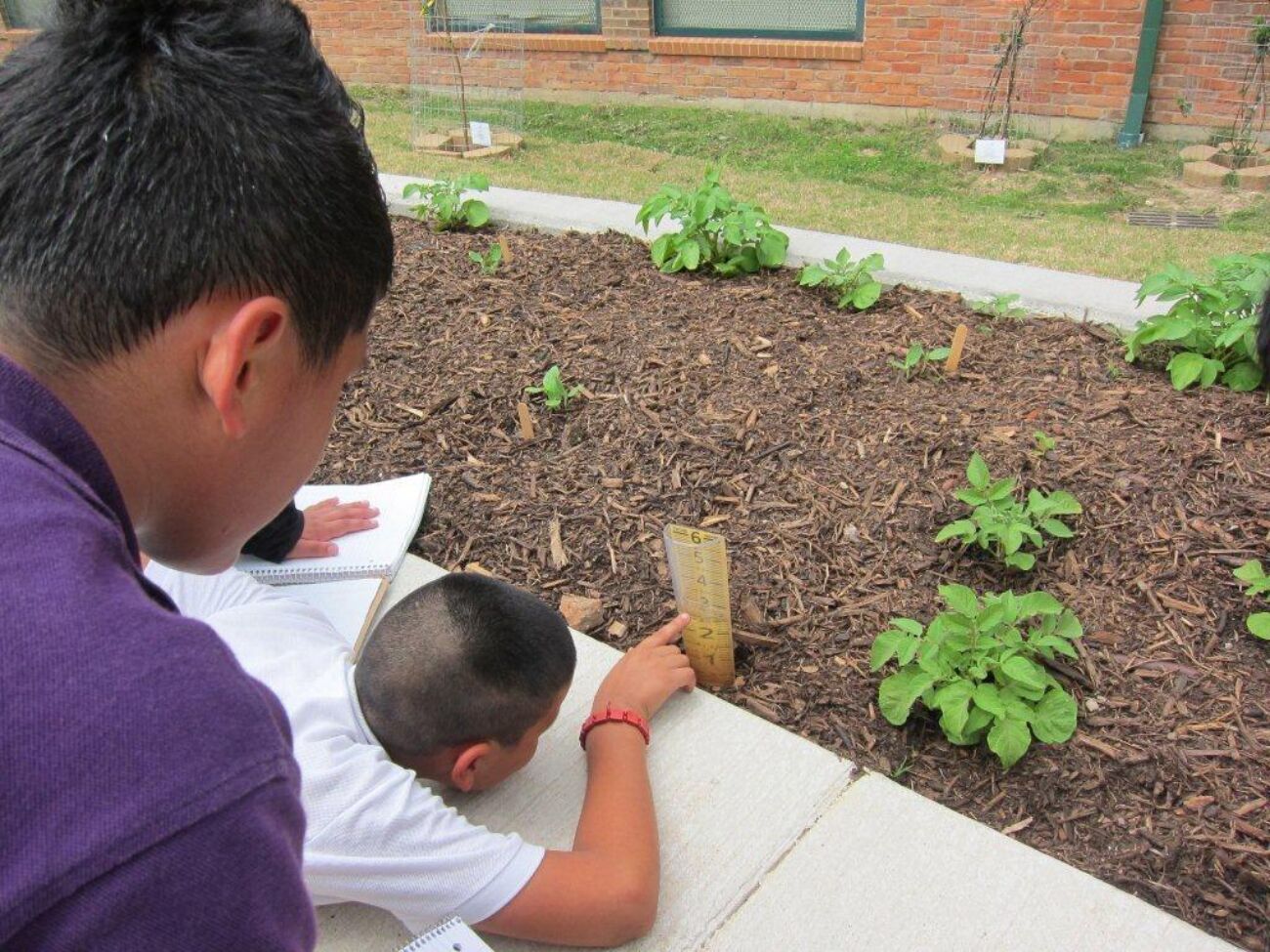
With clipboards in hand, her students moved through the schoolyard comparing organisms, examining differences across spaces, and sketching their observations. Their curiosity sparked immediately. “My students were so excited about exploring the outdoors and sketching their observations," says Ashley.
And the learning didn’t stop there. Ashley and her coach built on that first lesson with future projects that used the same outdoor space — turning an everyday schoolyard into a meaningful learning environment.
“We were able to build on this experience in future projects and lessons, and it really made the learning engaging and memorable for the kids.”
Coaching That Makes Hands-On Science Doable
With support from an Out Teach instructional coach, Ashley began planning and teaching science lessons outdoors — support that felt both encouraging and practical. Her coach, Jim Luft, helped her turn standards-based lessons into outdoor experiences her students loved.
“He made planning outdoor science lessons practical and fun, and he always had great ideas for extending learning into additional lessons and projects," says Ashley.
Advice from Ashley to Teachers Everywhere
Ashley knows stepping outdoors can feel like a big leap, especially for teachers already stretched thin. Her biggest takeaway?
“Outdoor instruction doesn't need to be elaborate or complicated.”
Instead of searching for special equipment or complex materials, she now focuses on what’s already available. “Our schoolyard provides ample opportunities for investigation and inquiry. By focusing on what makes your outdoor space unique — such as the plants, organisms, and geographic features present — educators can create meaningful, hands-on learning experiences that students will love.”