March 16th, 2026
Science She Can Touch. A series inspired by Jane Goodall. Celebrating the women bringing science to life.
Curiosity, Legacy, and the Women Bringing Science to Life Today
This Women’s History Month, we're honoring the legacy of Jane Goodall, a scientist whose curiosity and careful observation transformed how the world understands animals, ecosystems, and our relationship with the natural world. Jane Goodall’s discoveries began with something simple: noticing.
By watching closely, asking questions, and noticing patterns in the behavior of chimpanzees, she challenged long-held assumptions about animal intelligence and opened new paths for scientific discovery. Just as importantly, she opened doors for generations of girls and young people to see themselves as scientists. Her influence reaches far beyond research.
Educators around the world continue to draw inspiration from Jane’s approach to science...one rooted in curiosity, patience, and a deep respect for the natural world.
At Out Teach, those same habits are at the heart of how students experience science every day. When students step outside to observe a plant growing, investigate how water moves through soil, or ask why insects gather in certain places, they begin practicing the same habits scientists use to understand the world. Science becomes something visible, tangible, and meaningful.
Something they can explore. Something they can question. Something they can touch. That spirit of curiosity is the inspiration behind our Science She Can Touch series.
Throughout Women’s History Month, we’ll be highlighting women across the Out Teach community, including teachers, instructional coaches, and outdoor learning leaders—who are helping students practice the habits of science through observation, inquiry, and discovery. Their work reflects the same belief that guided Jane Goodall’s groundbreaking research: curiosity can change how we see the world.
And when students are given the opportunity to explore the natural world around them, curiosity can grow into something even more powerful: confidence, responsibility, and a deeper understanding of the ecosystems we all share.
From Fear to Curiosity
For many students, curiosity about the natural world doesn’t begin immediately. Sometimes it starts with hesitation, or even fear.
Allie Graybeal, Director of Professional Learning at Out Teach, remembers a moment from her time as a 5th grade teacher that captures this shift. Her students were learning about ecosystems, but many of them were afraid of insects. Their first instinct was often to swat or stomp on them.
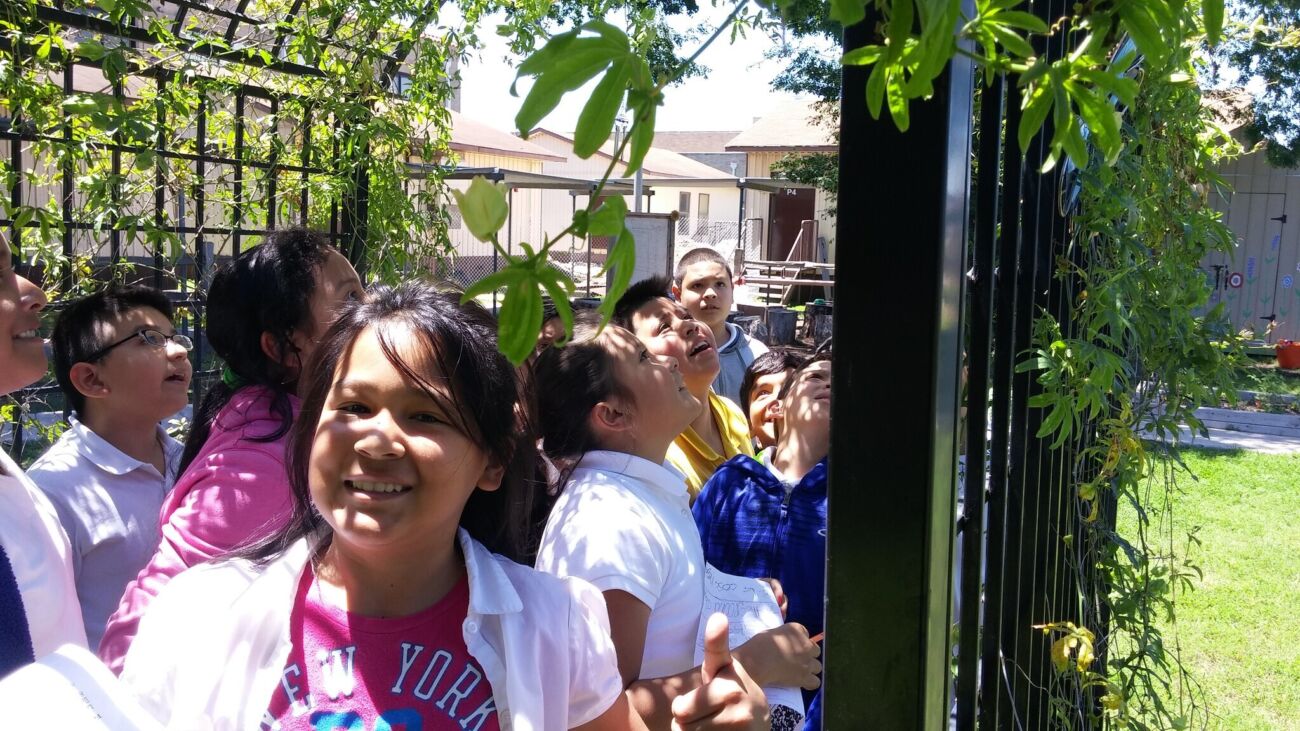
Over time, as the class began learning about the role each organism plays within an ecosystem, something started to change. One day at recess, a group of students stopped another student from stepping on a brightly colored caterpillar. Instead of reacting with fear, the students gathered around it and began asking questions.
What would happen if someone did step on it?
How can we tell if it’s dangerous or safe?
Should we watch it over the next few days to see what happens?
Can we look it up and figure out what species it is?
For Allie, it was a proud moment. The students had moved from fear to curiosity, and from curiosity to responsibility. As they learned more about nature, they began to see themselves not just as observers, but as caretakers of the ecosystems around them.
From Curiosity to Discovery
Jenna Mobley, an instructional coach at Out Teach, sees this same curiosity come to life in a different way. As a child, Jenna spent time camping at a rural site in Georgia known as “the pond,” where she explored trails, searched for animal tracks, and collected wildflowers with women she admired—experiences that sparked her sense of wonder and connection to the natural world.
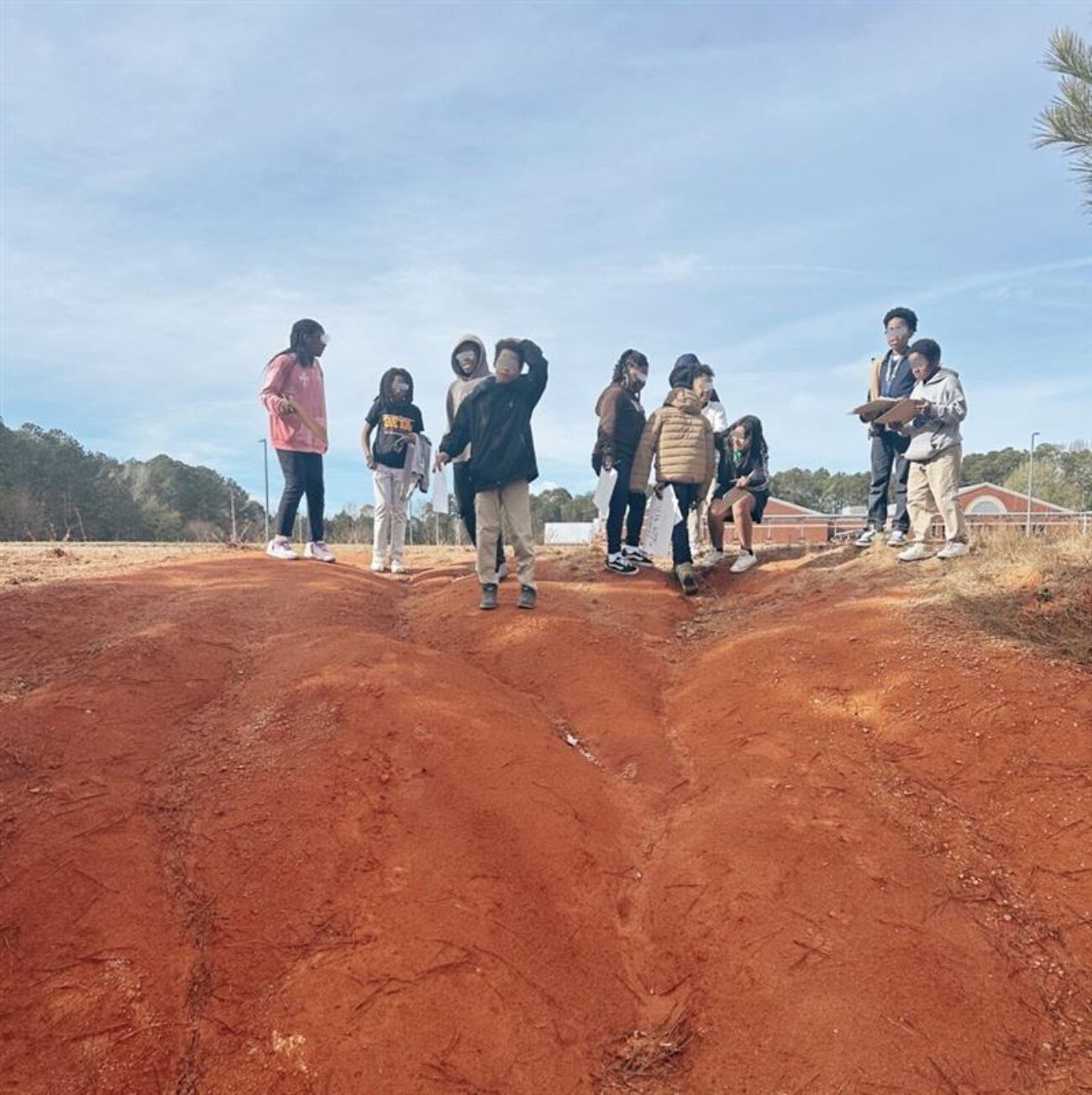
Today, she helps students build that same connection through observation and inquiry. While working with 5th-grade students at Callaway Elementary School, Jenna watched as a group of students noticed something unusual in their schoolyard, a large hill with deep grooves carved into the soil. They began asking questions....
What could have caused these patterns? Some students wondered if the grooves were made by people. Others suggested animals. Then one student made a connection. The hill reminded them of Providence Canyon, a place they had studied together. That observation led to a new question:
Could water have formed these grooves? To test their thinking, the students poured water down the hill and watched as it carried soil with it. In that moment, they weren’t just learning about erosion.
They were discovering it.
Try This With Your Students
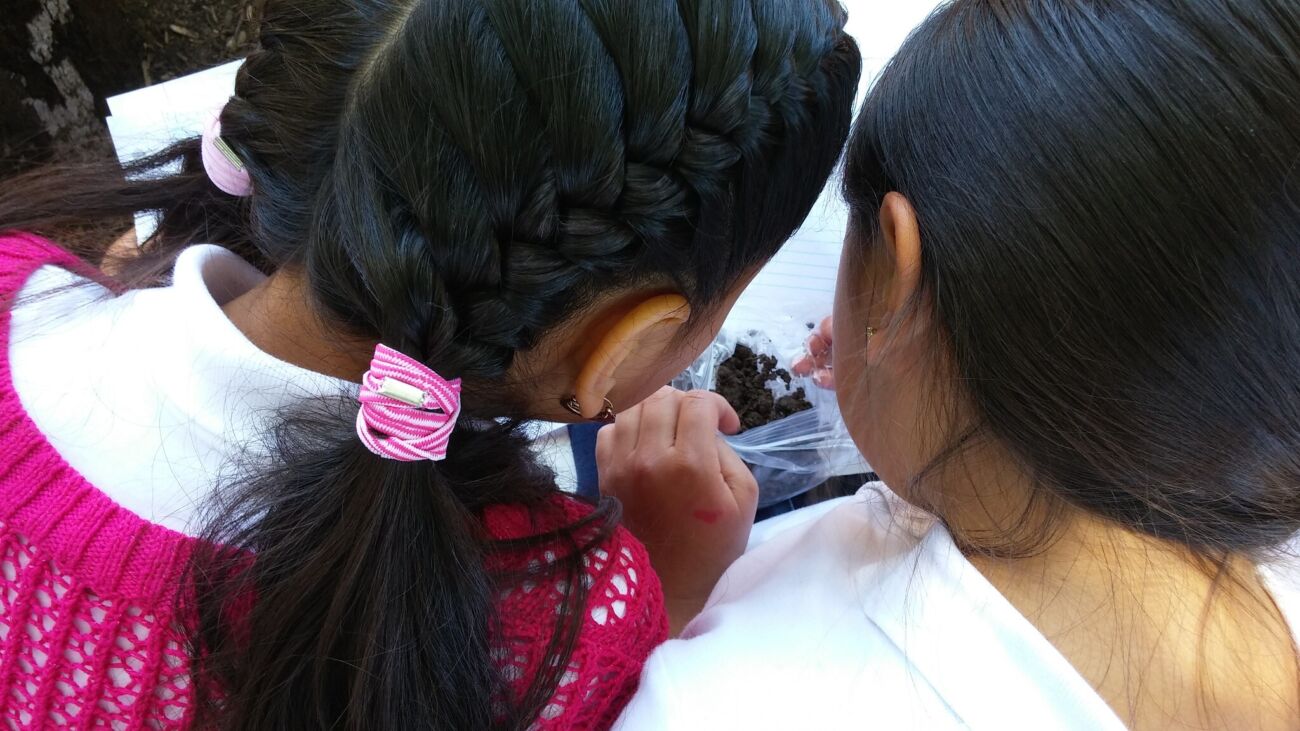
The questions Allie’s students asked reflect the habits scientists use every day. You can encourage the same thinking with a simple outdoor observation activity. Ask students:
What do you notice?
What do you wonder?
What might happen if something changed here?
How could we learn more?
Even a few minutes of observation outside can spark meaningful inquiry and help students move from learning about science to thinking like scientists.
Supporting Curiosity in the Classroom
Moments of curiosity like these are exactly what Out Teach’s Seed Packs™ are designed to support. Seed Packs provide ready-to-use science lessons that guide teachers and students through outdoor observation, questioning, and discovery, helping students practice the habits that make scientific learning meaningful.
For schools and educators who are looking for more sustained support, Out Teach also partners with schools and districts to help bring this kind of hands-on science learning to life over time.
We’re currently accepting a limited number of partnership applications for the upcoming school year.