March 31st, 2026
Two questions Dr. Jane Goodall asked me
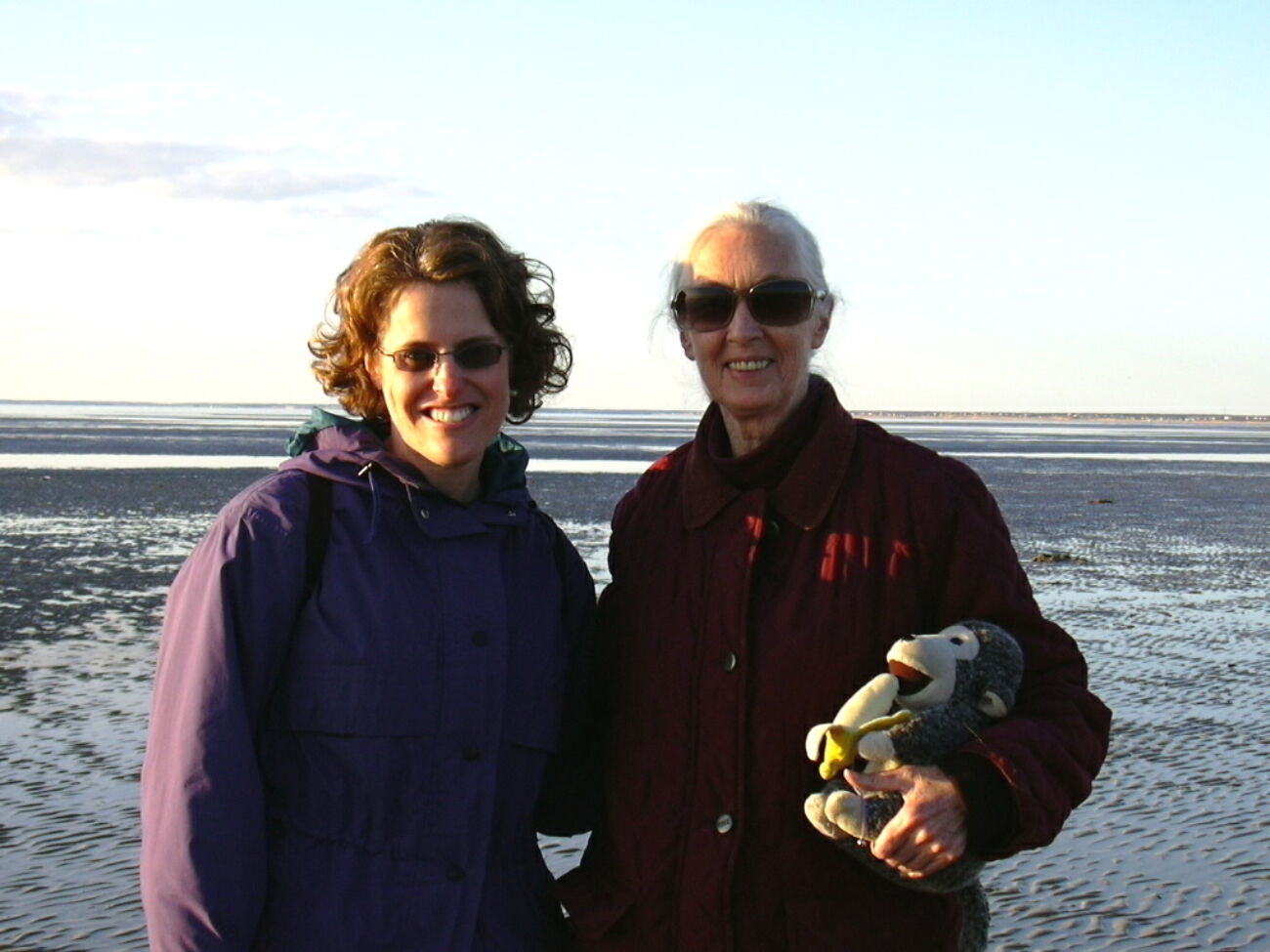
As we celebrate Women’s History Month this year, we also pause to honor the extraordinary life and legacy of Dr. Jane Goodall. Her work transformed how the world understands animals, ecosystems, and our relationship with the natural world, and her influence continues to inspire generations of scientists, educators, and young people.
While the world lost one of its greats, I lost a mentor and friend –someone who showed me that curiosity, empathy, and compassion are not just values, but essential components of leadership. I feel incredibly fortunate to have spent close to nine years working alongside Dr. Jane as the leader of her global youth program, Jane Goodall’s Roots & Shoots.
One of my most vivid memories is our first meeting – my job interview. I arrived prepared to talk through my resume, my experience, and my vision for the role. But instead, she began with two simple questions:
“Tell me about your childhood. Tell me about your relationship with animals.”
Suddenly, the conversation shifted. Instead of reciting accomplishments, I found myself recalling moments as five-year-old catching tadpoles in the creek behind my house, wandering outside, and noticing the small details in nature that fascinated me.
Those questions stayed with me long after that conversation, and they still shape how I think about curiosity and learning today. They also remind me that our childhood passions endure, guiding who we become and what drives us forward as adults. Years later, I reflected on that experience in a chapter I wrote for The Jane Effect. The book brings together stories of how Jane Goodall’s work has influenced leaders, educators, and change-makers around the world.
What made Dr. Jane’s approach to science so powerful was its simplicity. She began by observing carefully, asking questions, and paying attention to the natural world around her. Those habits - curiosity, patience, and observation - became the foundation of discoveries that changed how we understand animals and ecosystems. But Dr. Jane also opened a door.
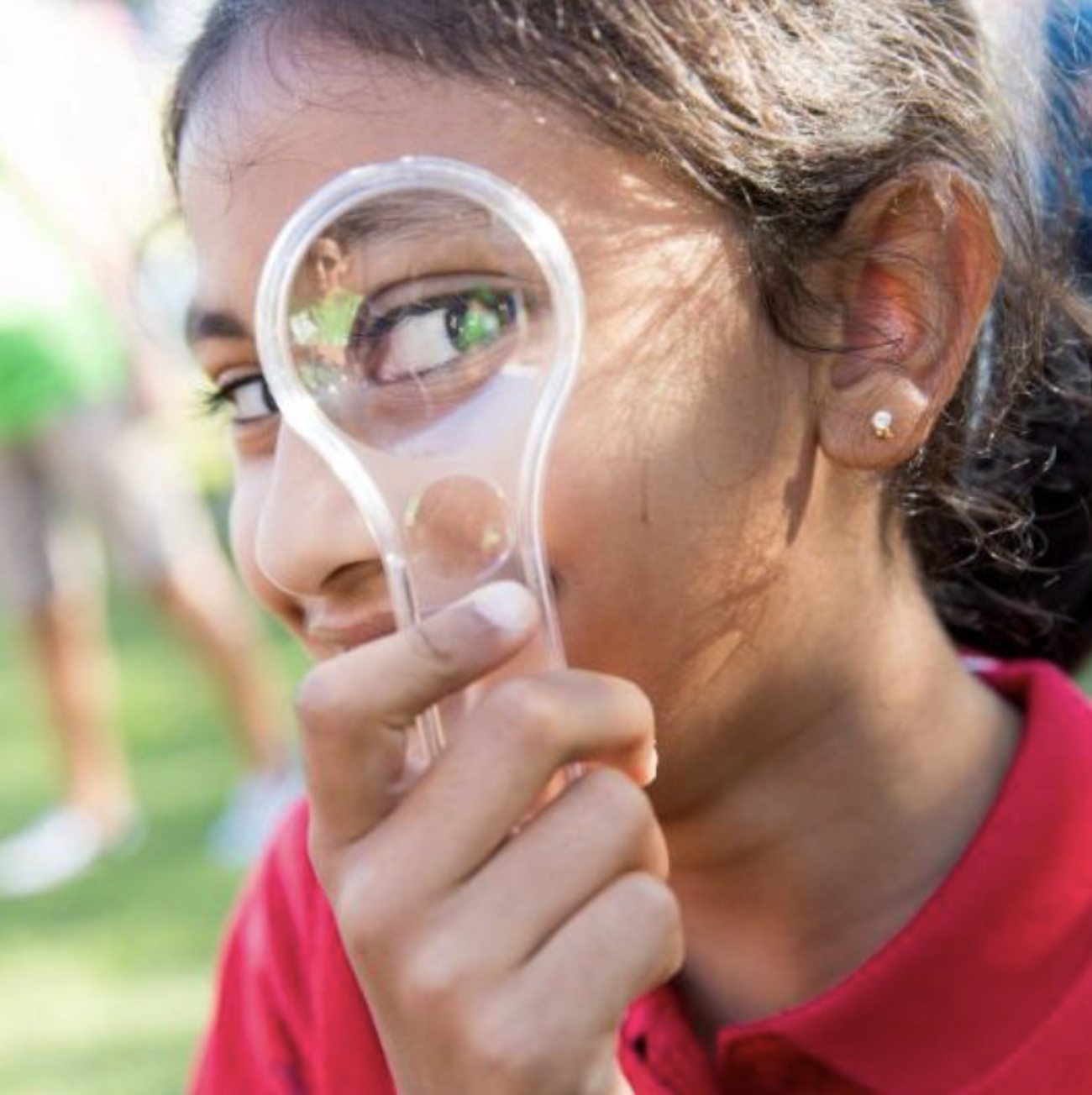
She showed generations of girls, and all young people, that science begins not only in laboratories, but in the simple act of noticing the world around us.
At Out Teach, we see those same habits come to life every day. When students step outside to observe a plant growing, notice how sunlight changes a space, or wonder why insects gather in certain places, they are practicing the same habits scientists use to understand the world.
Science becomes something they can explore. Something they can question. Something they can touch. Something they can become passionate about. That’s why this month we’re launching a storytelling series called Science She Can Touch.
Throughout Women’s History Month, we’ll highlight women across the Out Teach community—teachers, instructional coaches, and outdoor learning leaders—who are helping students practice the habits of science through curiosity, observation, and real-world discovery. These women are not only teaching science, they are also opening doors. And they are helping students see themselves as scientists.
Thank you for being part of the community helping bring science to life for students across the country. We hope these stories spark new ideas for how science can come to life for your students.
For educators who are thinking, “I want to create moments like this for my students,” we currently have a limited number of partnership opportunities available to support teachers and schools in bringing science to life through hands-on, outdoor learning.
Applications are open through April 3.
INSPIRED BY DR. JANE GOODALL
If you’d like to explore some of the ideas behind this reflection:
The Jane Effect — a collection of stories about the global impact of Jane Goodall’s work
There Will Always Be One Jane Goodall — reflections on a scientist who changed how we understand what it means to be human
The Science She Can Touch series from Out Teach, highlighting women who are opening doors and helping students experience science in hands-on ways